

 English
 中文简体


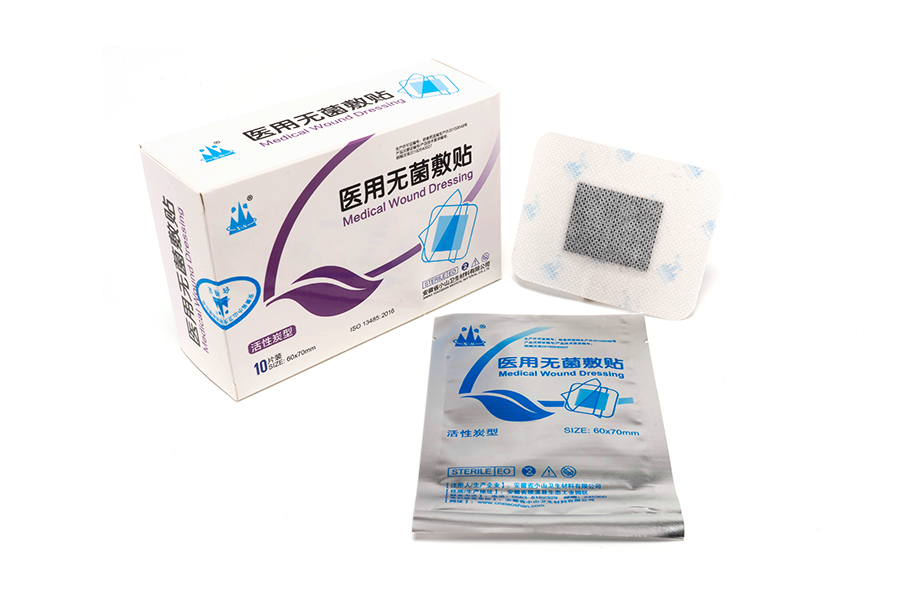
Natural fiber cloth or man-made fiber cloth, has a large surface area and high absorptive property, which effectively absorbs exudates from the wound surface, reduces wound inflammation, and shortens the healing time.
The polymer surface coating technology maintains the high absorbency of the product without adhesion on the wound surface. The product is also soft and comfortable, transparent and breathable to maintain a clean wound surface.
Product features:
1. The activated carbon fiber can repair damaged tissue cells, reducing normal cell death, inhibiting the proliferation of granulation tissue, and promoting and accelerating the regeneration of epithelial cells for inhibiting the formation of scars.
2. The unique activated carbon fiber cotton wool adheres to the wound for a long time to form a protective layer. To prevent adhesions and avoid secondary damage to the new granulation tissue during dressing changes, the protective layer of activated carbon fiber cotton is particularly suitable for the healing of hard-to-heal wounds.
Application:
It is used for covering the treatment of wounds, chronic ulcer wounds, bedsore wounds, infected wounds, and surgical wounds.
It is used for covering the treatment of wounds, chronic ulcer wounds, bedsore wounds, infected wounds, and surgical wounds.


